Author: Anahita in Love

Wandering, Sheltering, Connecting: Art and Nature

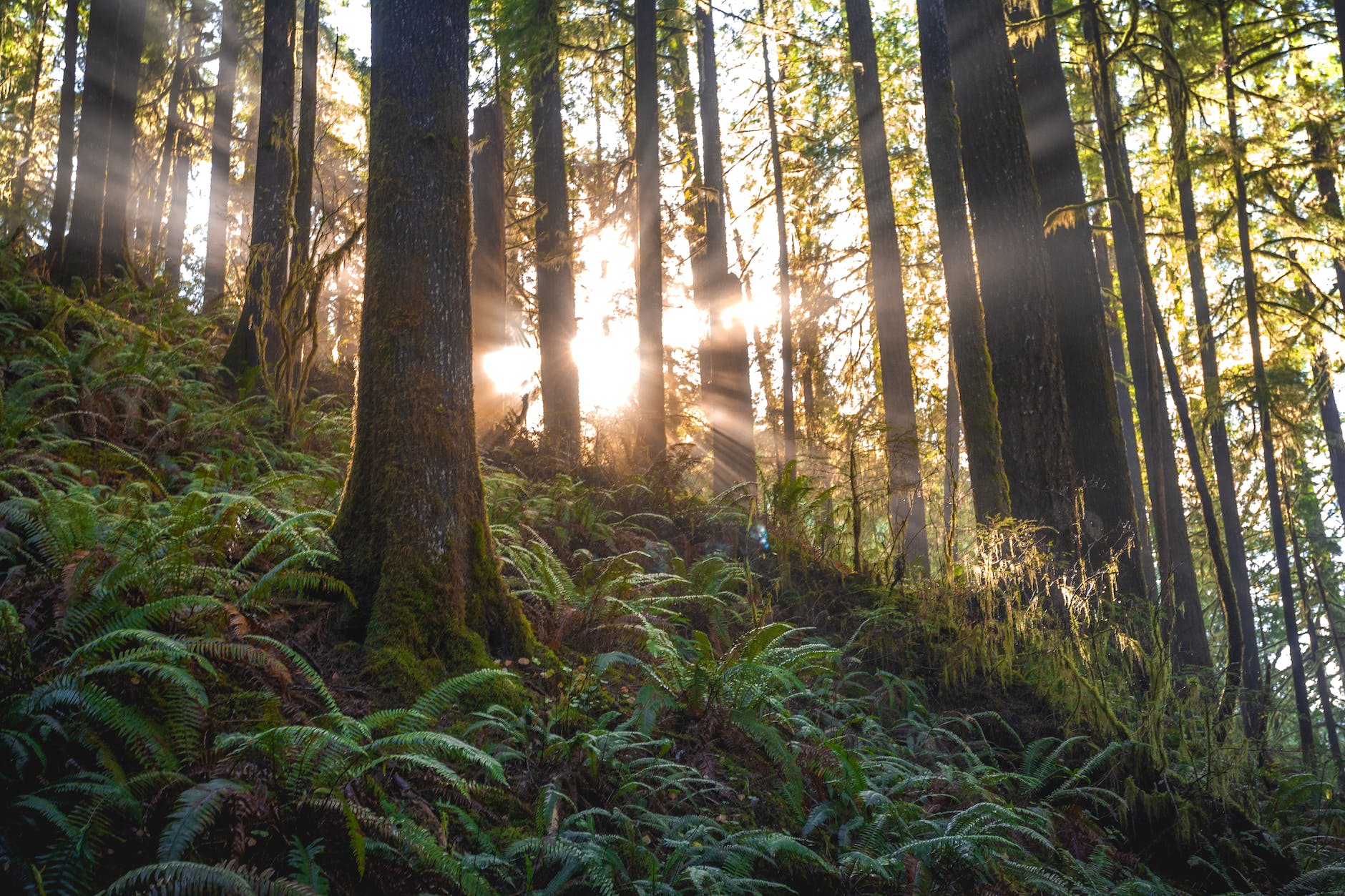
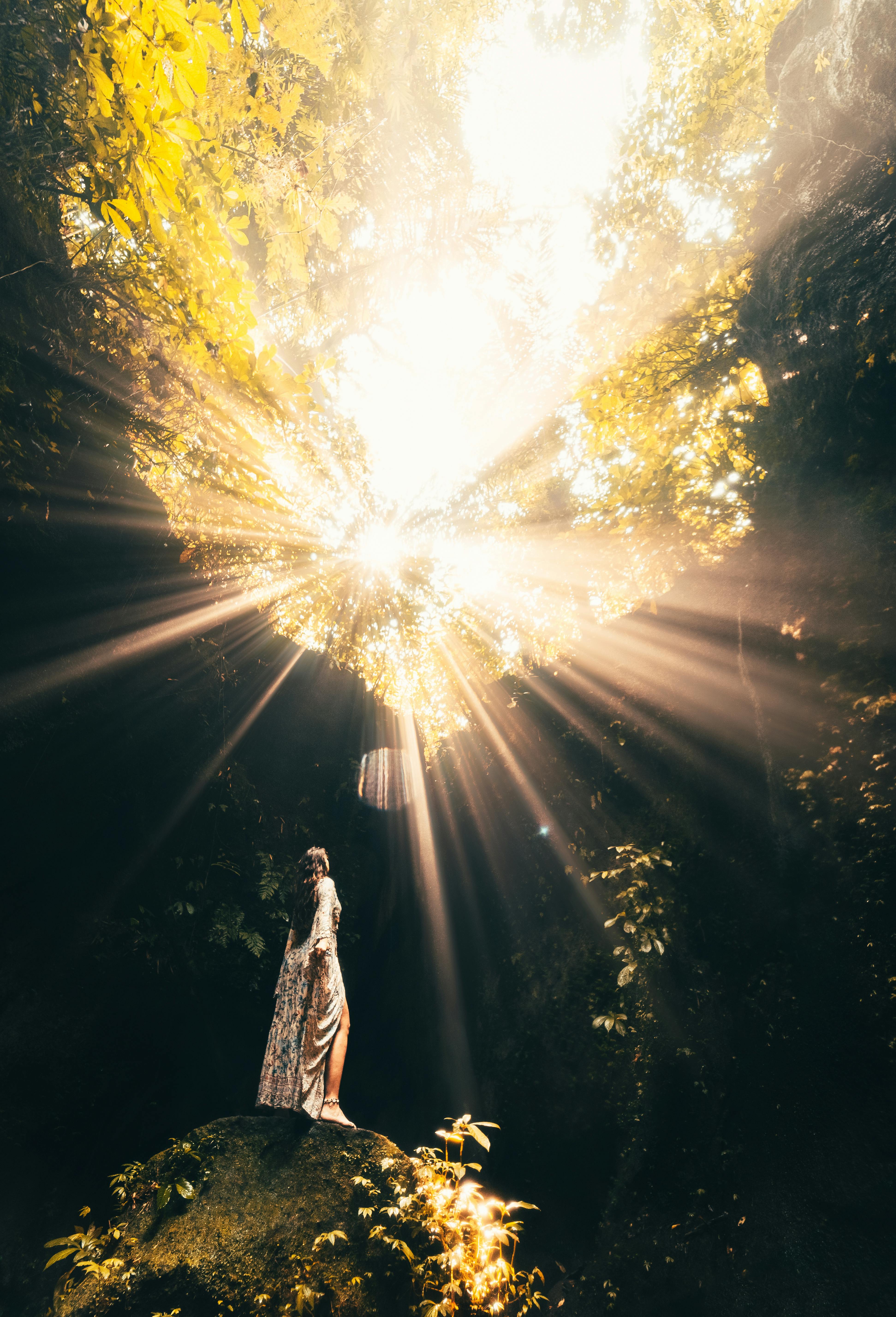
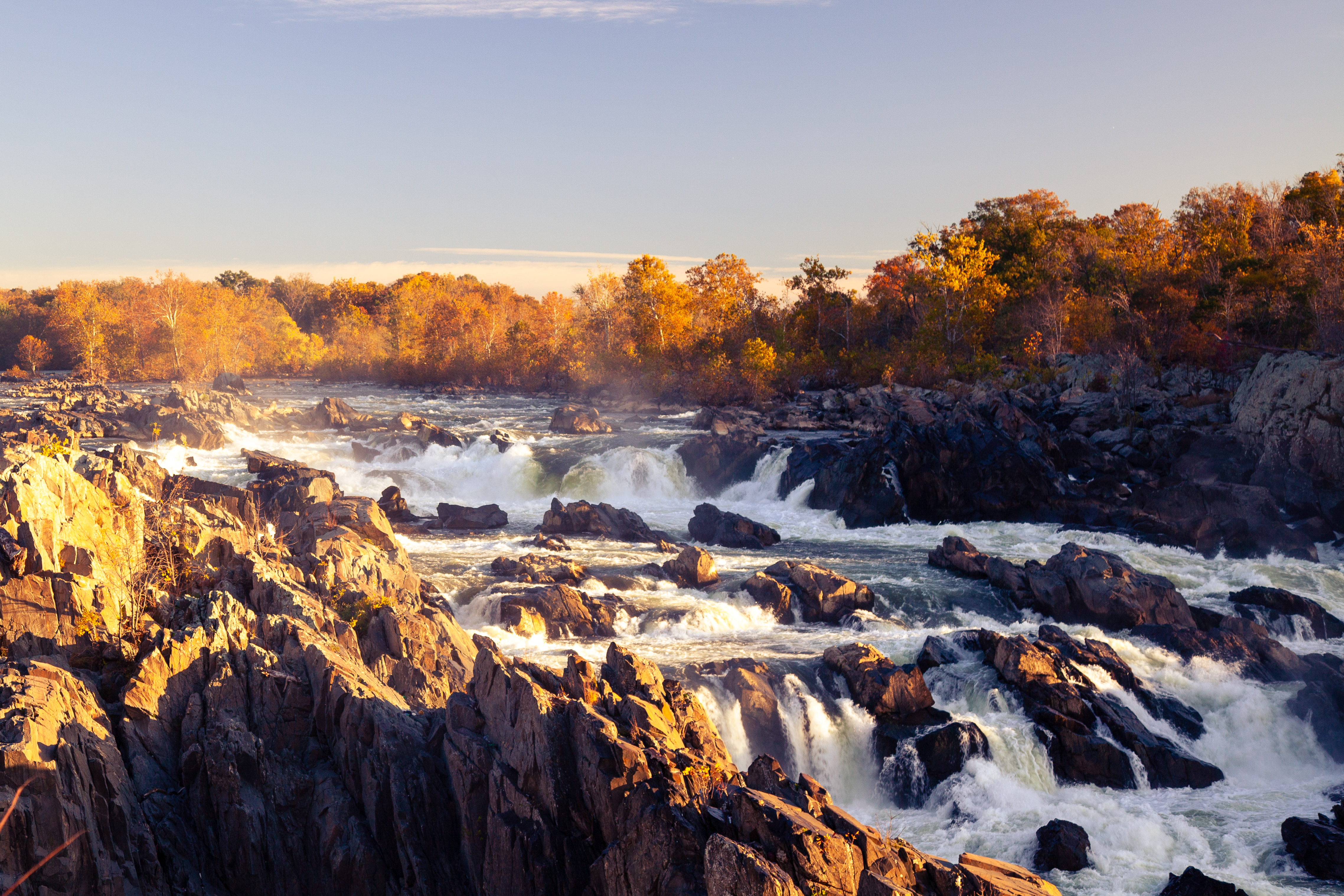
Balanced on sandstone high above a powerful current in the forest, the sense of a separate existence dissolves. Bathing in awe, humbled and heartened, oneness emerges. ❂ Once while on a trail in the Chesapeake and Ohio Canal National Park, resting on a lookout, we heard and then saw a man climbing onto the path from the rocks below. He had been exploring off-path, was happily spent and yet keen to talk about his experience. Curious. I had never considered leaving the well-marked trail. “Aren’t you worried about getting lost?” I asked. He grinned. “Nah. I’m always right where I’m supposed to be. Can’t be lost, then — can I?”  From this encounter and wilderness navigation books, I later gleaned that those who are rigidly focused on a destination may be less likely to notice changes in terrain, weather, or even their own physical condition. This makes them more vulnerable to getting lost or getting into trouble. Conversely, those who are wandering or exploring are more likely to be attuned to their surroundings and open …
Berlin to Copenhagen

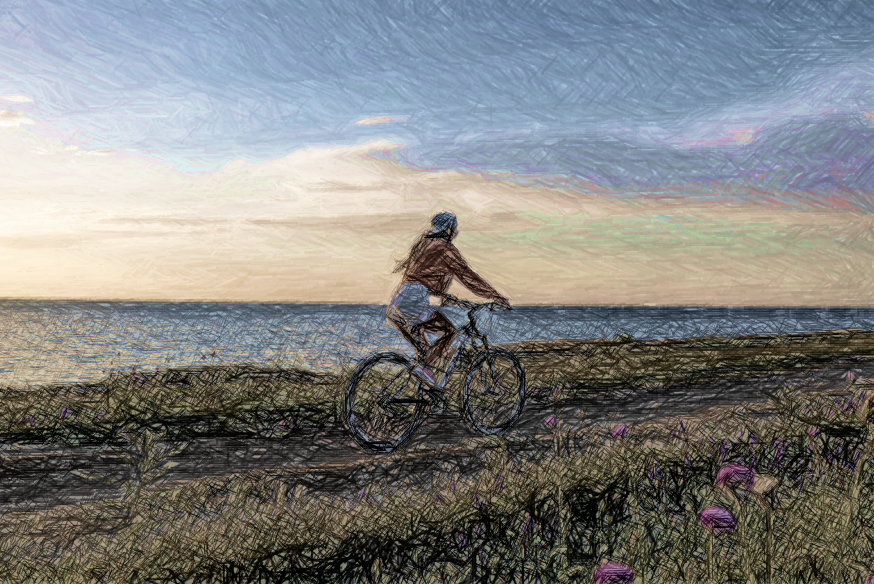
Between a cozy Kneipe in Berlin and a hyggelig hotel lounge in Copenhagen, a seasoned cyclist travels along the Berlin to Copenhagen Bicycle Route, completing the journey in under a week. We may not all strive to be seasoned cyclists, but if you appreciate European capitals and cultural experiences; love national parks and being in nature; resonate with environmentally friendly vacations and exploring something new: here’s your sign. As post-pandemic travel surged, so have accounts of the escalating costs, declining quality, long lines and delays, and misadventures at airports and aboard cramped flights. The phrase “travel isn’t fun anymore” has become like a punctuation mark at the end of dispiriting narratives. To reclaim the vitality of traveling, let us reclaim the journey itself. It is not only about a destination; it is also the way that we lean into: the places we travel through, mindful and flexible, at a human pace — and the people, nature, and cultural expressions we observe and interact with along the way. It is about what emerges from within — when given the …

Beach Holiday in Germany

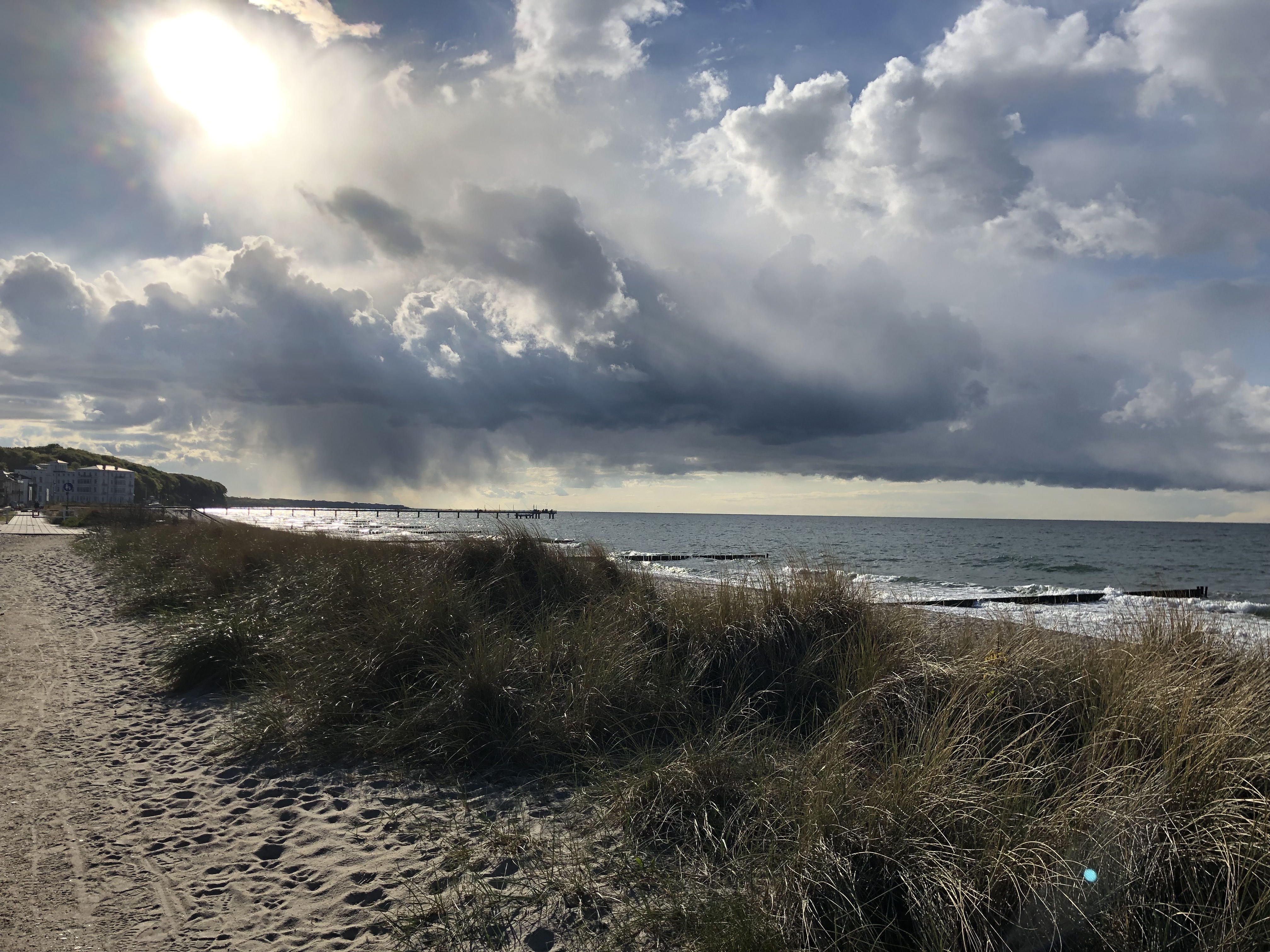
Germany’s fantastic beaches are little-known wonders outside of the country. A friend who grew up in a town on the North Sea coast tells me that many Germans used to fly to Mallorca or mainland Spain, southern France, Italy, the Greek islands, or Turkey for their beach holidays, but in recent years northern European beach towns have been receiving more attention from vacationers. With intense heat waves and wildfires in southern Europe, and expanding environmental consciousness overall, more people have been choosing to travel closer to home — to beaches in Germany and Scandinavia. “My hometown is getting more visitors in the summers now. It’s definitely becoming more popular,” she remarks. These coastal towns and beaches are attractive and serene — ideal for relaxing and energizing holidays. It makes you wonder why they haven’t developed the renown of other beaches in modern times, despite all their natural beauty and charm. “Maybe we’re not as good at marketing,” my friend suggests. There is the marketing issue in some places, to be sure. Some beaches and resorts …

Marienbad

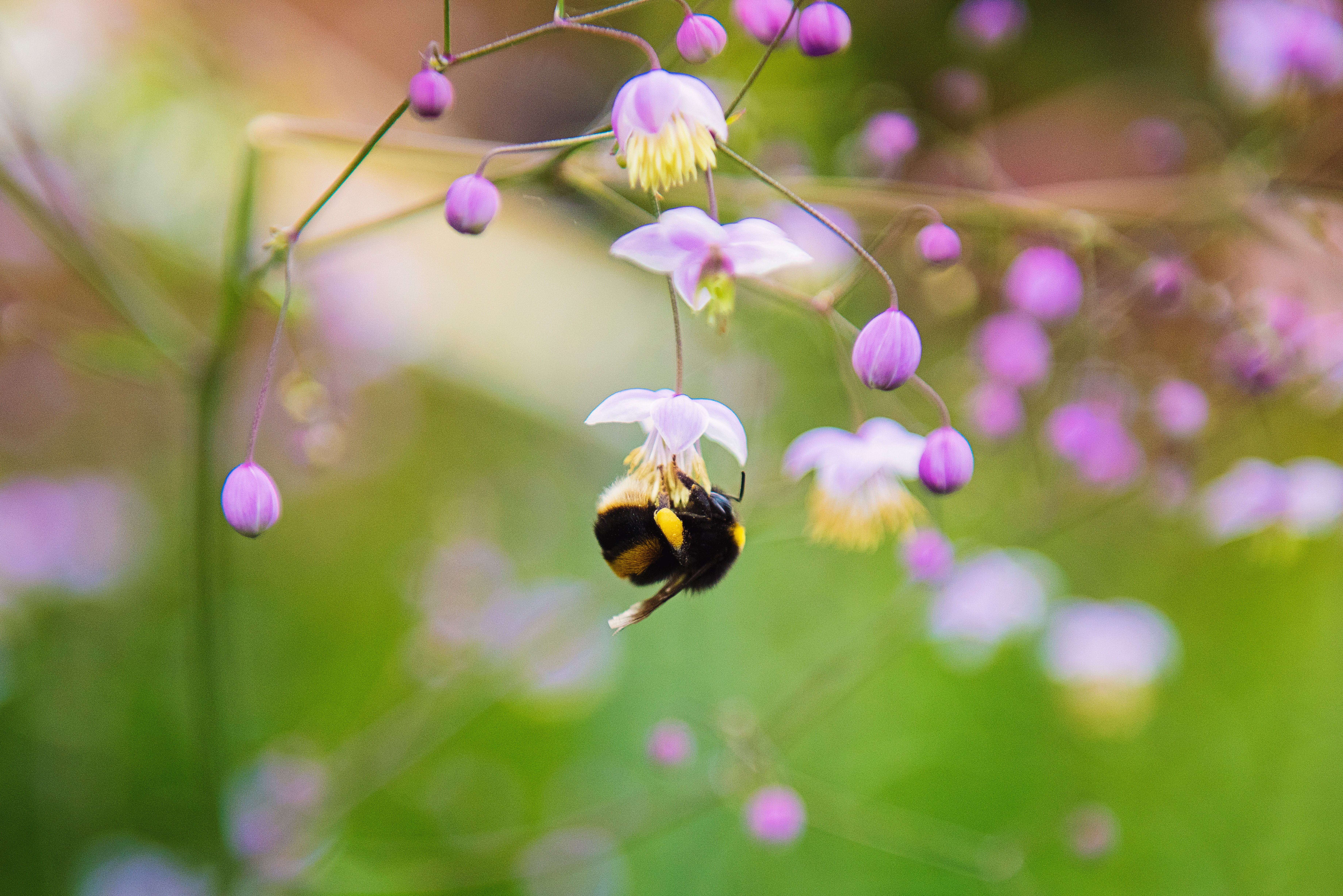
I am in the garden, reading Biomimicry: Innovation Inspired by Nature by Janine Benyus. Biomimicry is about observing nature’s strategies to come up with advanced solutions for human challenges such as food spoilage and shortages, harmful chemicals, and water scarcity. Landing on the opening quote from Václav Havel, I sense synchronicity, here in the Czech Republic. “We must draw our standards from the natural world. We must honor with the humility of the wise the bounds of that natural world and the mystery which lies beyond them, admitting that there is something in the order of being which evidently exceeds all our competence.“ Václav Havel There is a soft murmuring of water from a fountain behind me and a rippling pool in front, as the swimmers float gently from side to side. I settle deeper into the lounge, adjust the sand-colored shade above the chair and continue reading. A honeybee with the unmistakable aura of purpose arrives. He lands on the top edge of the book, so close that I can observe his stubbly knees. Literally, the …

Three Books and an Emerging, Ancient Field

“It is something to be able to paint a particular picture, or to carve a statue, and so to make a few objects beautiful; but it is far more glorious to carve and paint the very atmosphere and medium through which we look, which morally we can do. To affect the quality of the day, that is the highest of arts.” Henry David Thoreau, Walden Three Books and an Emerging, Ancient Field In light of recent developments in artificial intelligence — acknowledging that computer programs can now create art, music, and literature — it is comforting and invigorating to center ourselves in the essence of our humanity, which reaches far deeper than the creation of things… Book 1 Biophilia is the work of evolutionary biologist E.O. Wilson, published in 1984, in which he posited “that our natural affinity for life—biophilia—is the very essence of our humanity and binds us to all other living species.”(1) Book 2  Building on the biophilia hypothesis, social ecology professor Stephen Kellert wrote Building for Life: Designing and Understanding the Human-Nature Connection among other …
Biome sweet biome

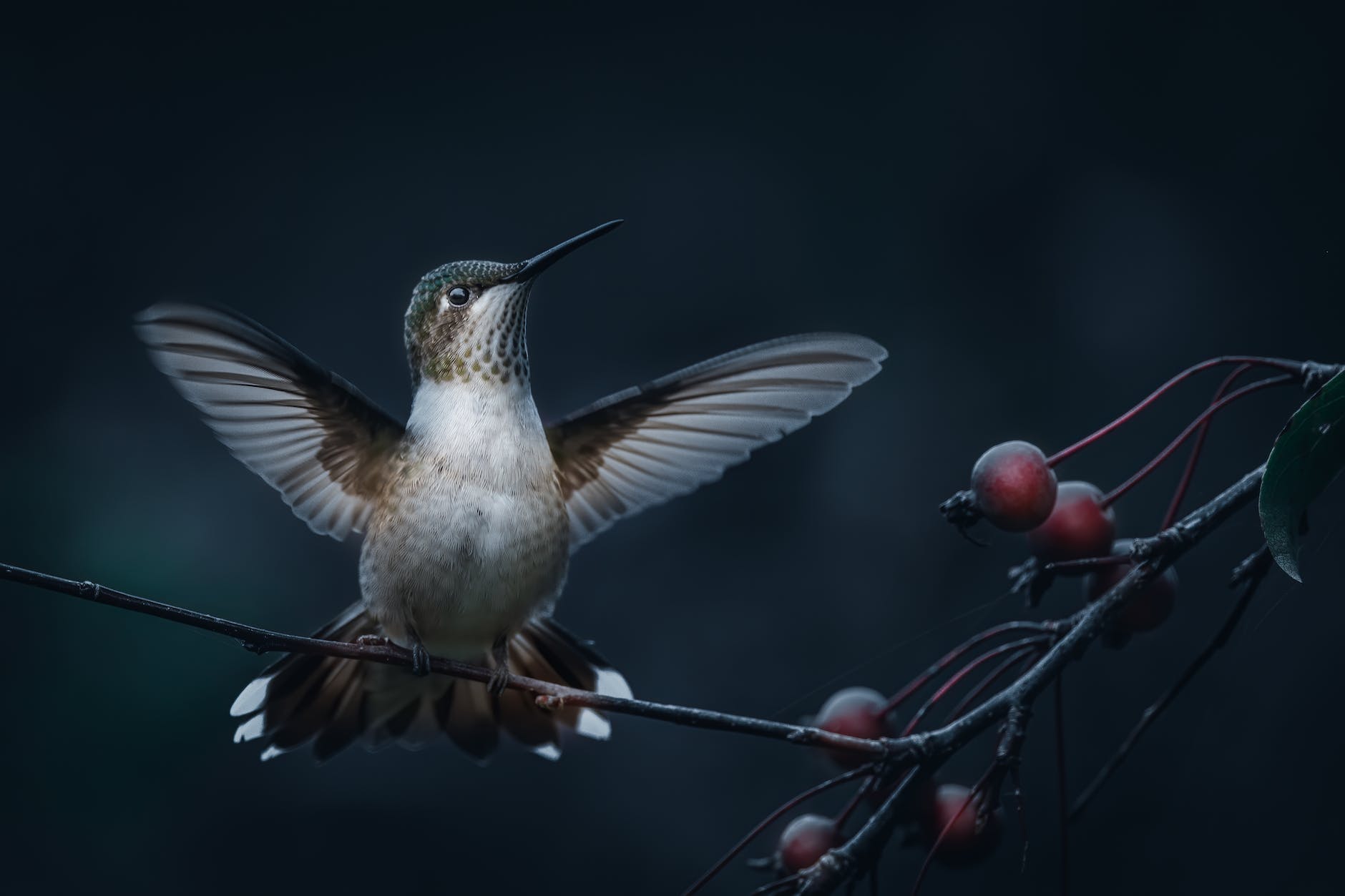
Where do you live?  If you were asked this question while away from home, you probably would mention your city or state. If abroad, you would likely mention your nationality or the country in which you live. If you encounter someone from your own city or town, you might talk about your neighborhood, your Kiez or quartier — maybe even your street or building. Where do you really live? Something has been missing from the framework: a piece that references our interconnection with nature. Your biome. If you do not know about your biome, you are not alone. We could all improve our ecoliteracy. Ecoliteracy – “knowledge of the environment necessary for informed decision-making”. Biome – “a community of plants and animals living together in a certain kind of climate”, also known as a bioclimatic landscape. Do you share yours with foxes, bison, wolves, hedgehogs, otters, wrens, spruce, beech trees? Black bears, raccoons, great horned owls, quaking aspens? Water buffalo, i’iwi, geckos, monkey beetles, snow leopards, bridled nail-tail wallabies, tortoises, Atlantic puffins, monarch butterflies, pine oaks? There are countless ways …